
PERIODONTOLOGY
Periodontology
Periodontology is the specialty of dentistry that studies supporting structures of teeth and diseases that affect them. The supporting tissues are known as the periodontium, which includes the soft (periodontal ligament and gingiva) and hard tissues (cementum and alveolar bone) that surround the teeth and provide their support in dental arch.
Periodontal diseases (periodontitis) take on many different forms but are usually a result of a coalescence of bacterial plaque biofilm accumulation of the gingiva and teeth as a result of unsatisfactory oral hygiene. The augmentation of the plaque together with risk factors (smoking, non-compesated diabetes, stress, pregnancy, heredity) result with acute or chronic inflammation of periodontal structures.
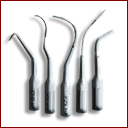
Periodontal diseases interfere with the normal function of the periodontal tissues and manifest in the point when they no longer perform their function. In the early stage, periodontitis has very few symptoms and in many individuals the disease has progressed significantly before they seek treatment. Symptoms may include redness or bleeding of gums while brushing teeth, using dental floss or biting into hard food. Gum swelling, halitosis (bad breath) and a persistent metallic taste in the mouth are a common simptoms as well. Initial therapy includes non-surgical cleaning (removal) of microbic plaque and calculus below the gumline with a procedure called scaling and debridement using specialized curettes. This also involves regular checkups and daily good oral hygiene by the patient.
Patients should realize that the initial inflammation is largely painless and people may wrongly assume that painless bleeding after teeth cleaning is insignificant, although this may be a symptom of progressing periodontitis in that patient. Further progression leads to distruction of periodontal ligament that holds the root in the bone. The bone loss, deep pockets between the teeth and the gums, and gingival recession (resulting in apparent lengthening of teeth) result with tooth mobility and tooth loss in the later stages. In advance periodontitis, periodontal surgery may be needed to stop progressive bone loss and regenerate lost bone where possible. There are many surgical approaches used in treatment of advanced periodontitis, including open flap debridement, osseous surgery, as well as guided tissue and bone regeneration and bone grafting. The goal of periodontal surgery is access for definitive calculus removal and surgical reduction of pockets (which have resulted from the disease process).
MORE LINKS