
GNATHOLOGY AND TMD/TMJ TREATMENT
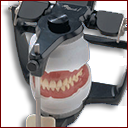
Gnatology and treatment of bruxism
Gnathology is the specialty of dentistry that studies the relationship between mandible and maxilla and contacts between upper and lower teeth (occlusion). Static occlusion refers to contact between teeth when the jaw is closed and stationary, while dynamic occlusion refers to contacts during jaw movement, as with chewing. Discrepancy between jaws, missing teeth, undesirable contacts (premature contacts and interferences) lead to maloocclusion or ‘bad bite’ that could provoke functional diffects on different levels (TMD-temporomandibular disorders). Symptoms could be joint blocking (difficult or impossible opening of the mouth), clicking sound when opening or closing the mouth, bruxism (characterized by the neuromuscular hyperfunction, especially during sleeping, with grinding of the teeth and clenching of the jaw), headaches (particularly in the morning), hearing problems, neck and shoulder pain and many others, demanding an interdisciplinary treatment.
There are two ways that we can help to relieve your TMJ pain:
1. The first way is nightguard, which has been for many years to help with TMJ pain and problems.
2. The other way is the application of Botulinum Toxin.
The treatment includes re-establishment of the normal jaw position introducing the occlusal splint (bite, night guard), a removable dental appliance carefully molded to fit the upper or lower arches of teeth.
Beside that it also used to protect tooth and restoration surfaces, to create space prior to restoration procedures and help jaw muscle relaxation.
People prone to nocturnal bruxism, or nighttime clenching, should routinely wear occlusal splints at night. To provide complete rehabilation and stabilize the results it is usually followed by orthodontic or prosthodontic treatment.
Botulinum Toxin usage in dentistry
The application of Botulinum Toxin (Botox® or Dentox® for Dentistry) is a simple, non-surgical procedure. The doctor will administer several tiny injections directly into the muscle to “paralyze” it. Therefore, the benefit fot TMJ/TMD patients is the reduction in the number of clenching events and their intensity. This will reduce the destruction of teeth, gums and jaw joint, and reduce the discomfort and pain in face and chewing muscles. Another possible benefit is that the botulinum toxin does not stay in the body indefinitely, so if there is an adverse effect, or a mistake made, it is only temporary. There is also the likely possibility that with frequent treatments, the injected muscles will atrophy allowing the patient to go longer and longer between treatments. .
MORE LINKS